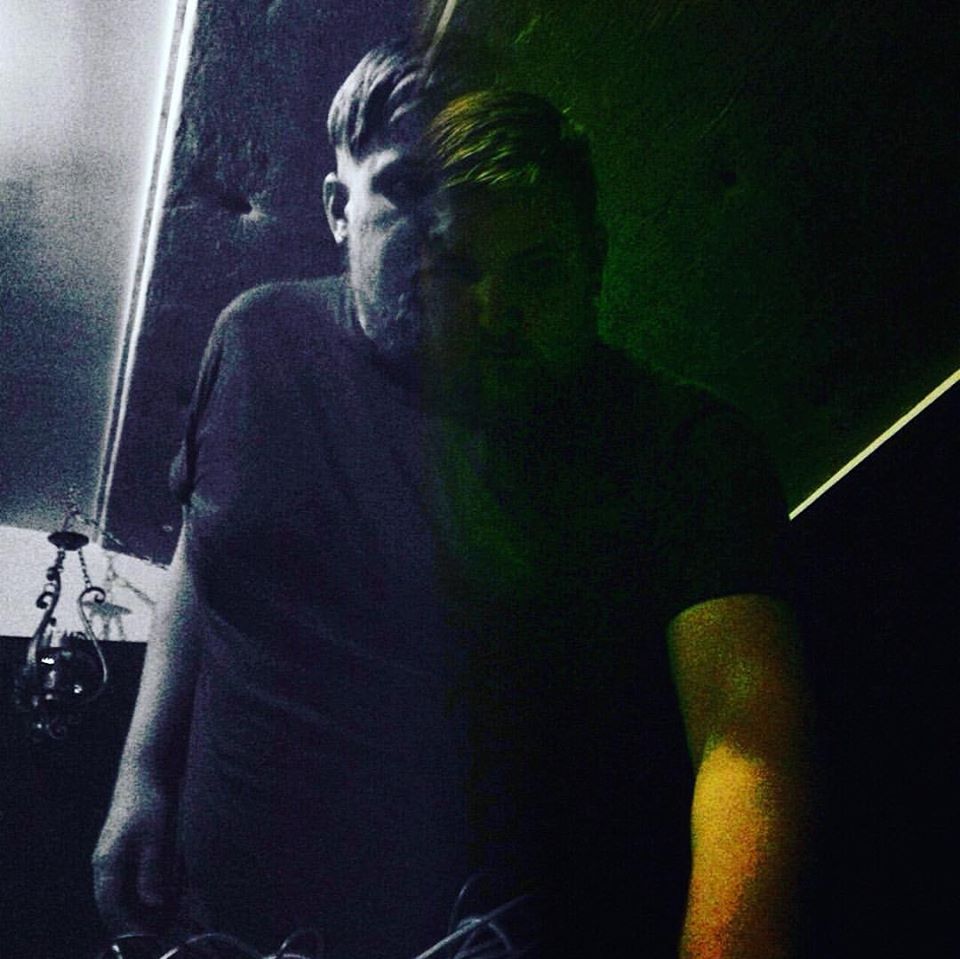
Giant Swan

Giant Swan
Giant Swan is the brainchild of Robin Stewart & Harry Wright; an acerbic marriage of energised, aggressive dance music, quaking bass and hypnotic electronic noise.
Having built a formidable reputation for their hi-octane improvised performances, relentless international touring and a succession of acclaimed EPs on respected imprints such as Whities, Timedance and Mannequin, ‘Giant Swan’ sees the pair stepping things up significantly, with a full-length musical statement that bristles with the galvanising energy for which they’re known while introducing a fresh depth, range and sonic nuance to the equation. Named after a beloved track by screamo overlords the Blood Brothers, Giant Swan was originally conceived as a side project from their roles as guitarists in the band The Naturals, with formative influences such as My Bloody Valentine and Lightning Bolt being distilled over time with inspiration from the varied and always vibrant local music scene in Bristol. From dub soundsystem teachings at the Trinity Centre and Black Swan or the fiercely experimental early transmissions of friends in the Young Echo collective, Giant Swan have grown to take their place as one of the most singular and determined groups to emerge from the UK underground in many years. Whilst not belabouring the point, this outsider status is important to note: despite rousing audiences at festivals such as Unsound and Berlin Atonal, and sharing stages with the likes of Nina Kraviz, Objekt and Actress, Giant Swan have always approached their craft in an entirely different way to most of their contemporaries. Musically this is evident in Stewart’s contorted vocal textures married with shards of abused guitar noise that cut through the four to the floor heaters, but also comes across in their conceptual approach – be it onstage, facing each other whilst flanked by walls of amplifiers or in interviews, where the pair have consistently stressed the need for inclusive clubbing environments based on equality, enjoyment and an ongoing, unflinching critique of the culture. At the same time they’ve been subverting expectations on the international techno circuit, they’ve also had one foot in a more experimental camp, equally at home playing alongside Moor Mother (for whom they’ve produced a track on the forthcoming Analog Fluids of Sonic Black Holes album) at leftfield arts festivals as they are sending it in at legendary clubs like Berghain and Tresor. This year they’ve also made tentative steps towards putting themselves in front of a more mainstream audience; with two appearances at the revered Glastonbury Festival, a high profile support slot at the Royal Albert Hall with indie heroes The Horrors (who they have also recently remixed) and a specially commissioned live set for BBC Radio 1. An uncompromising statement of intent, ‘55 Year Old Daughter’ sets the tone: metallic KO drums and an earworm hook constructed from a scissored vocal sample, the album lurches into life with perhaps the closest the band have come so far to an out-and-out banger. A track that’s simultaneously deconstructed avant-noise and devastating DJ weapon. The aptly titled ‘Pandaemonium’ melds human breath and circuitry for a paranoid cyborg night drive, while ‘I, As Proof’ sees the band’s intentions wrought clear in aching melodic progressions beneath hulking bass weight. The Alvin Lucier-style voice effects which begin ‘Not A Crossing’ suggest brooding ambience – albeit more dark polluted skies than little fluffy clouds, whilst the palpitating bass tones and dystopian sound design of ‘OPAFS: R’ make for a corrosive slab of electronic funk. The hardcore continuum bass kick of ‘Weight Of Love’ suggests a loose lineage with a certain hard-line strain of UK electronic music – think British Murder Boys or the early work of fellow Bristolian Vessel, which then gives way to the deep hymnal of ‘Peace Fort 9’; an atmospheric slice of dreamy murk, which touches upon the paganistic ritual magick of Coil, or even the bleak, beautiful minimalism of Grouper. The hyperkinetic BPMs of Rian Treanor and Ngeye Ngeye Tapes are evident in the frenzied stomp of ‘YFPHNT’ before ‘Spisbah’ closes proceedings with a dubbed out hall of mirrors, alarms ricocheting off a monochromatic chant. With such audible harshness, anger may seem to be an energy here, but Giant Swan are in fact less riled than the music might suggest, with the overall palate more an unconscious outcome than a planned design: “To me Giant Swan means lots of feelings and lots of fun. It’s like a mucky brain, with everything passing through it and being rendered as our music. It’s a vehicle for us to spread our want for a more open-minded and inclusive dance experience, fuelled by a conscious mantra with tongue firmly in cheek”, proclaims Robin, whilst Harry adds, “Giant Swan is just the name of a never-ending story. A statement that changes with each recipient, centred around tolerance, inclusion, self-sufficiency and TRUST. Oh and also weed and beats. It’s about getting stoned and losing ourselves to each other’s consciousness. This record is a conversation between aesthetics. A dialogue where a question is answered with another question until everyone in the room is left scratching their heads, or moving their feet.”

Pyramid Club
In music, darkness often devours itself. Those who nosedive down into synthpop’s more perverted forms — industrial, coldwave, darkwave, and all subgenres in between — tend to sacrifice themselves for the sake of the shadows. But that’s precisely what draws devotees in, both the machinists and their audience. The deconstruction of humanity into objective parts, autonomous beats, vocals smeared into alien sneers — these were the tools that proto-industrial types like Cabaret Voltaire and Throbbing Gristle employed to separate themselves from the punk rock ego, the explosion of self. Even in that light, Pyramid Club aren’t just followers of this self-negating cult. Indeed, both members of the clandestine duo have helmed their own projects — Chris Daresta with the cold techno of Anticipation, Matt Weiner with the chrome-clad but buoyant TWINS — and together they run DKA Records, international purveyors of murk. So while “Stay Behind” oozes with all the subversive sludge that devotees to the dark might expect, the Pyramid Club machine burbles and pulses in an uncommonly Technicolor display. The suave gear shift in the middle affirms the expert engineering at work here; Daresta and Weiner may be taking cues from their muses, but they’re clearly spiraling down a tunnel of their own design. –Immersive Atlanta

Wet Cat
craibbyy b2b JAGU4R

Flohr